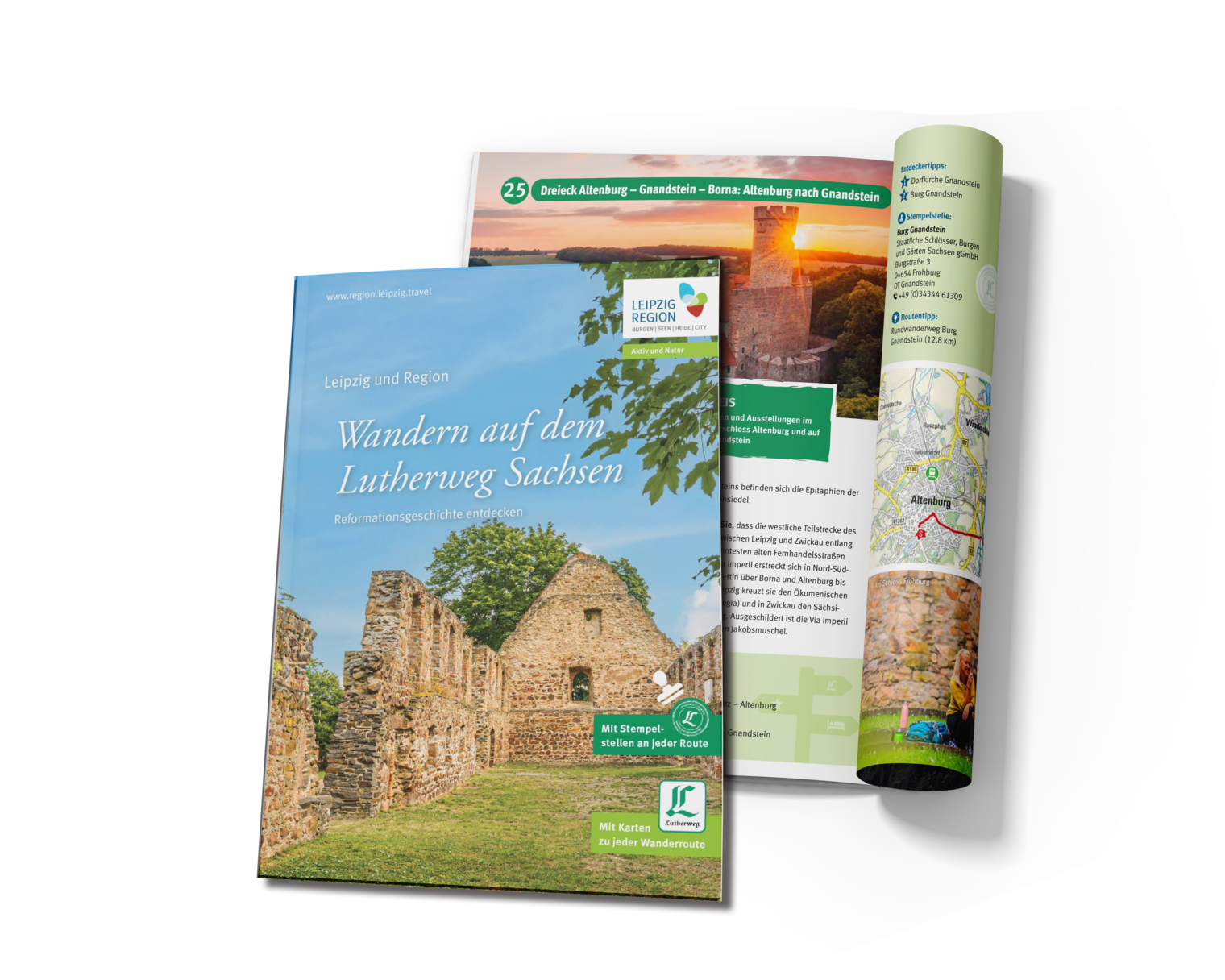
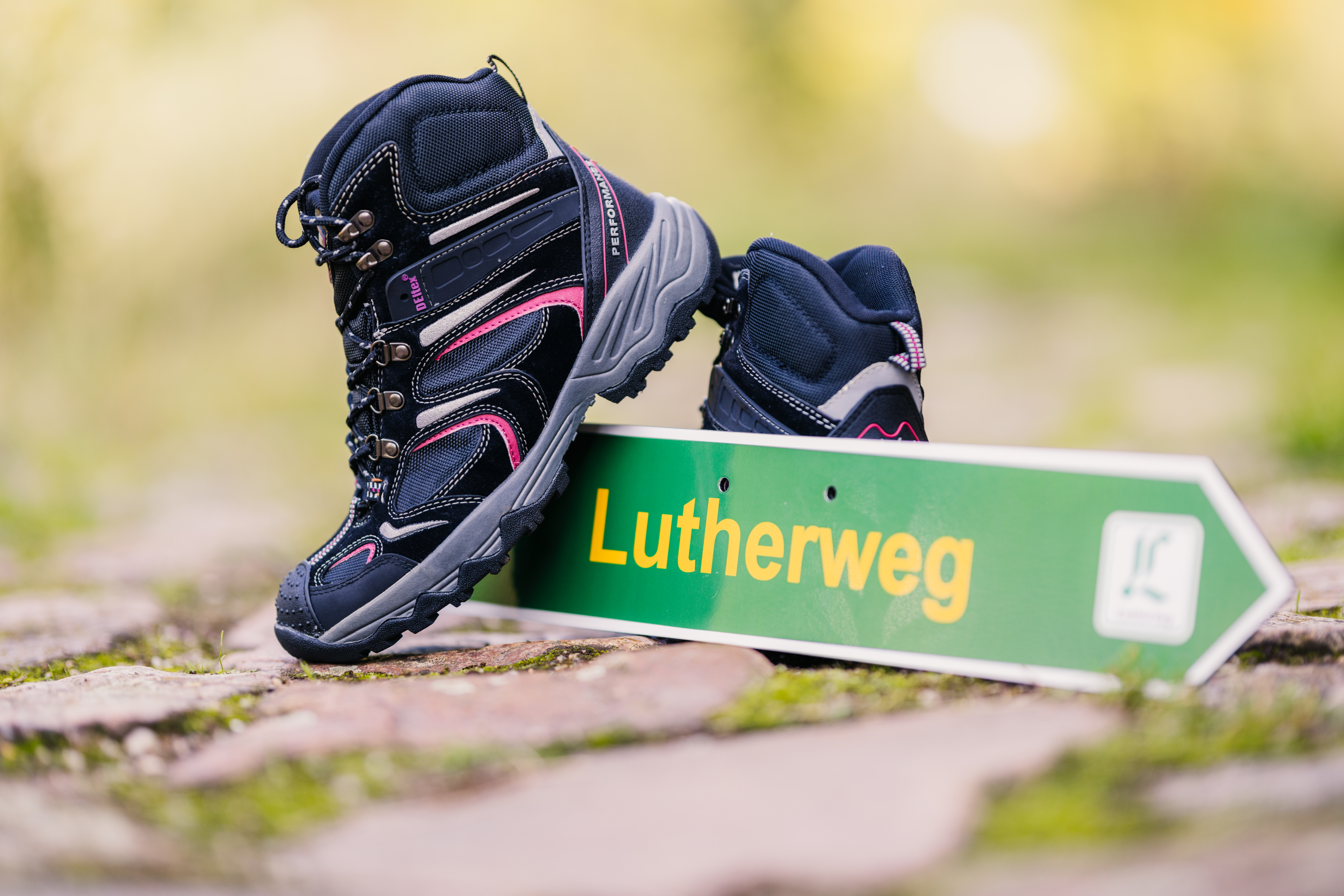
Along the The Luther Trail in Saxony, you can discover places where the history of the Reformation is still tangible today. Churches, monasteries, historic sites and former places of activity offer a vivid impression of the time when Martin Luther and his companions laid the foundations of a new world of faith.
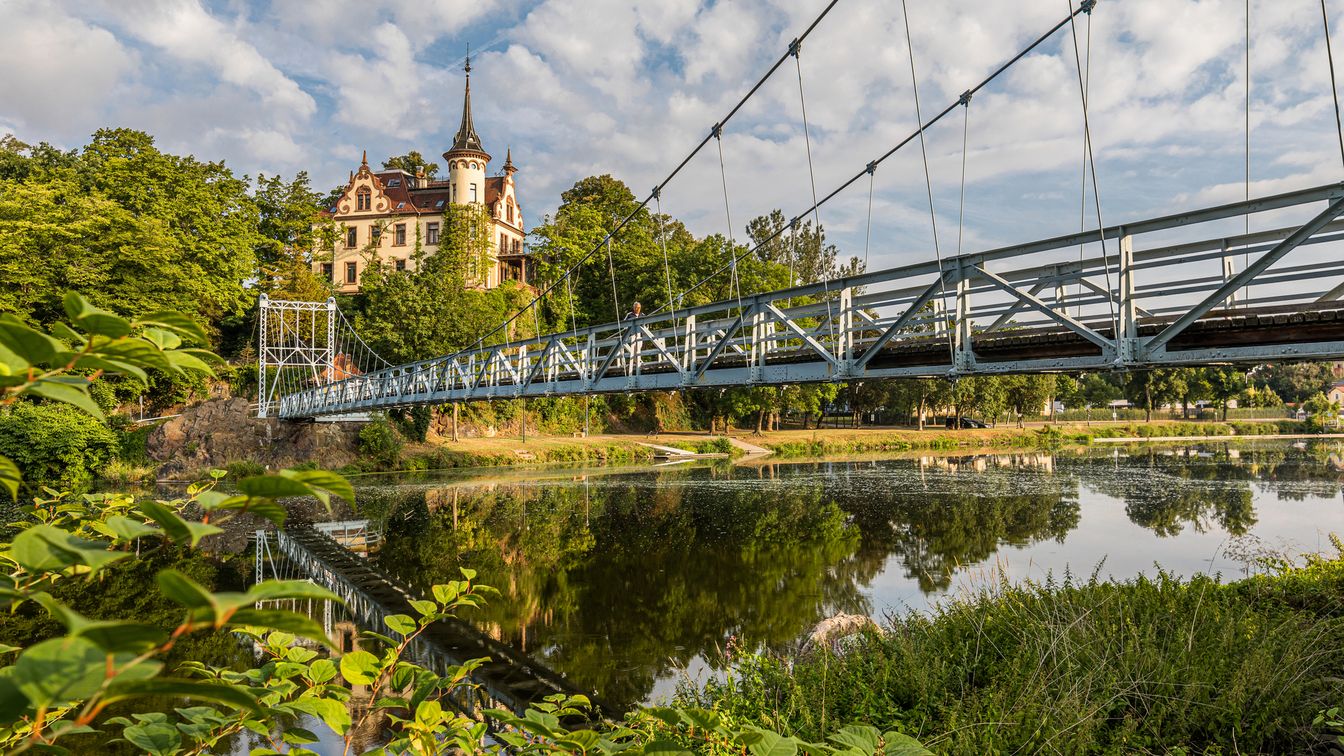
Torgau, the residence of the Saxon electors, was considered the political center of the Reformation. Here, Luther consecrated the castle chapel of Hartenfels Castle as a Protestant church building. The significance of Zwickau as a Reformation city is also internationally recognized. As the second city after Wittenberg, monks were expelled and monasteries closed, allowing the Reformation to take hold quickly. In Grimma, Luther stayed several times at the Augustinian monastery and preached in the monastery church as well as in St. Nicholas Church. Very close by, his future wife Katharina von Bora lived for 14 years in the Nimbschen Convent before fleeing to Wittenberg in 1523.
Each of these places tells a piece of history and turns the Luther Trail into a journey through the Reformation period.