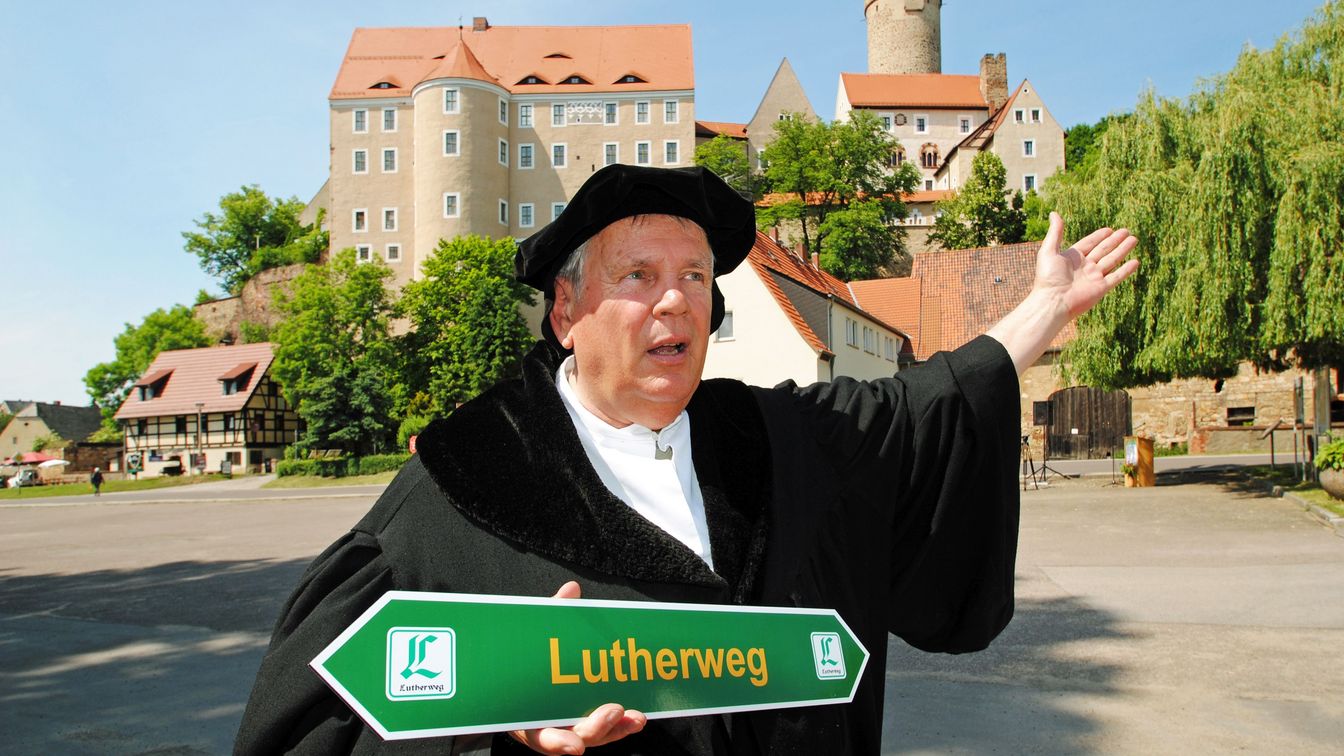
© www.siesing.de, Wolfgang Siesing
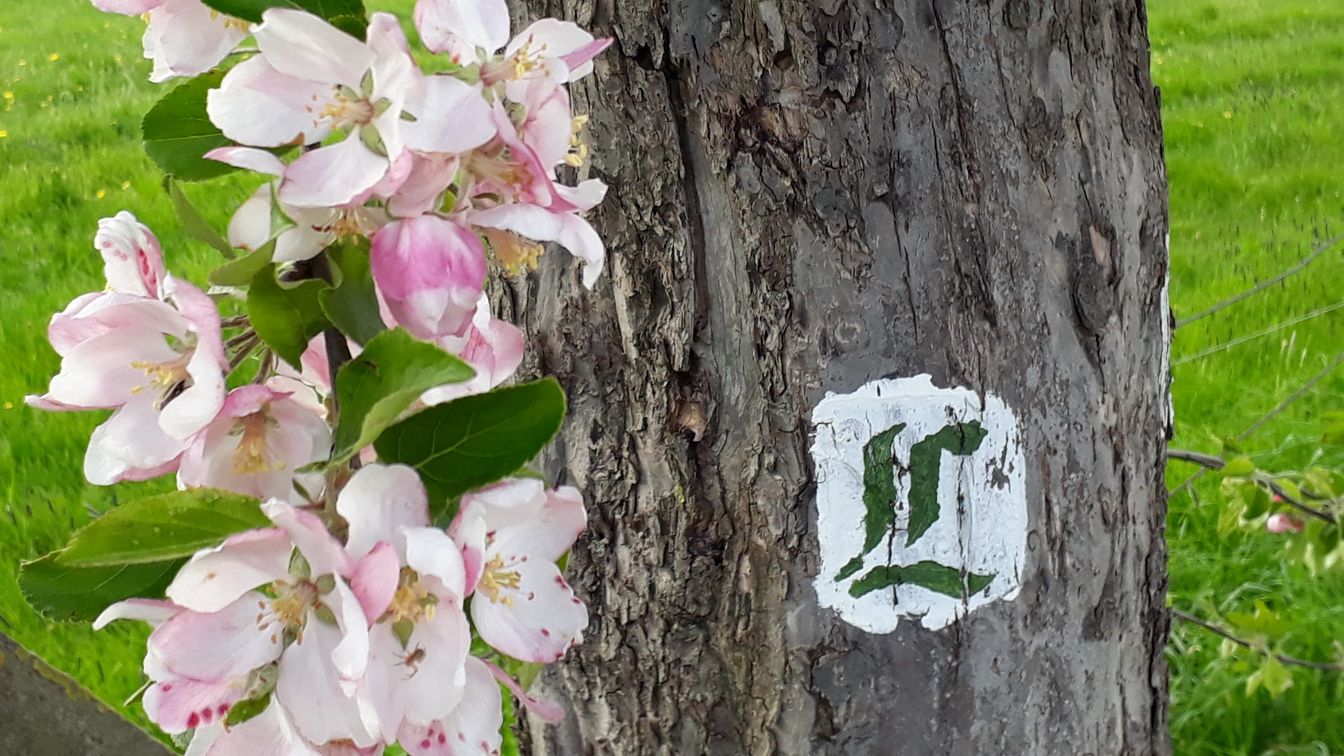
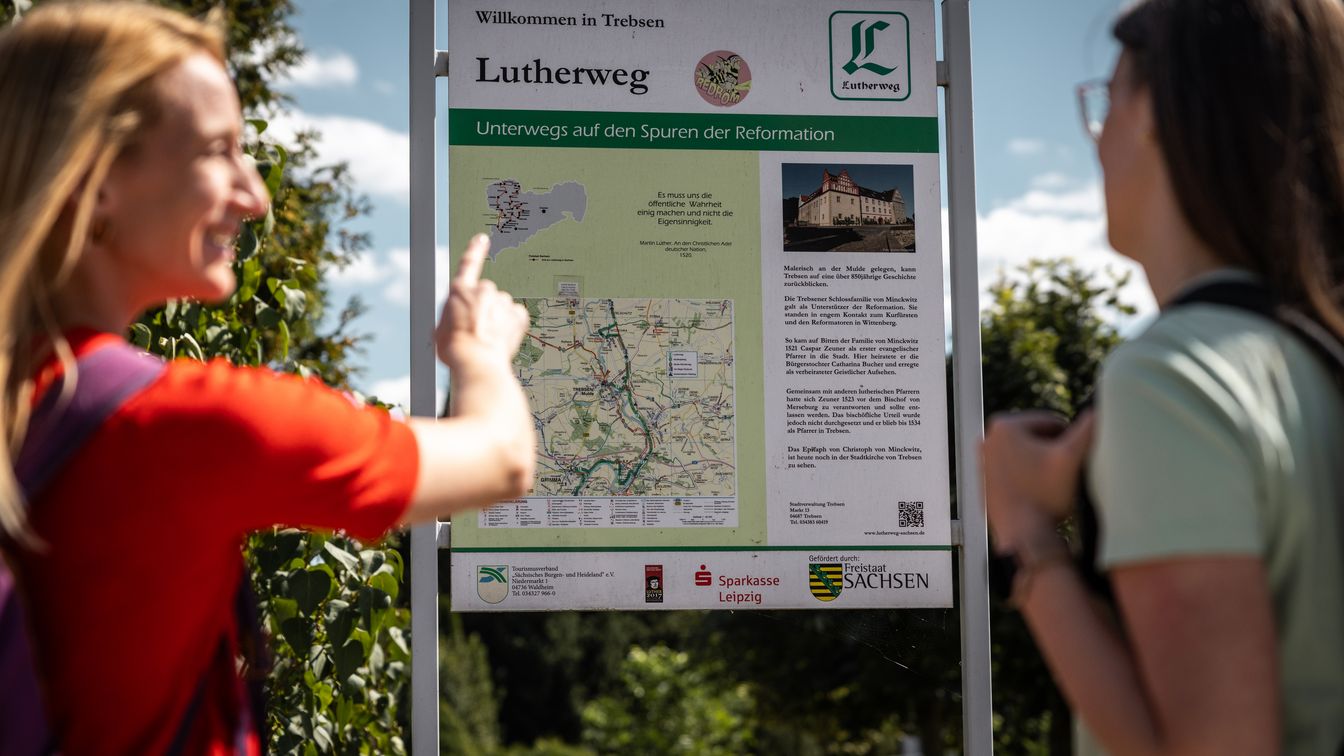
www.pkfotografie.com, Philipp Kirschner | CC-BY

The Luther Trails in Germany connect significant sites of the Reformation into a unique network of historical and spiritual paths. Following in the footsteps of Martin Luther, you can discover picturesque landscapes, historic cities, and moving stories that shaped his life and work.

Each stop tells a piece of history and invites you to experience the Reformation’s legacy. In particular, Wittenberg, the “Mother of the Reformation”, forms the central starting point for numerous routes. With the pilgrim passport from the German Luther Trail Society (DLG), you can explore and document all Luther Trails across Germany. This way, every step becomes a personal journey through Reformation history.


www.gomediendesign.de, Oliver Goehler  | CC-BY-SA

Historic Routes of the Reformation

  • Seven Luther Trails in Saxony, Saxony-Anhalt, Brandenburg, Thuringia, Bavaria, Hesse, and Rhineland-Palatinate

  • Spiritual pilgrimages to the most important sites of the Reformation, such as Wittenberg, Eisenach, and Worms

  • Over 2,000 km of pilgrimage and hiking trails

  • Diverse stops: churches, museums, and stamp stations

Pilgrimage and hiking in Luther’s footsteps

Das Bild zeigt eine Karte der sieben Lutherwege in Deutschland.
© Deutsche Lutherweg-Gesellschaft e.V.

The Luther Trails invite pilgrims, hikers, and culture enthusiasts to explore history, culture, and landscapes.

Highlights include Eisenach and Wartburg Castle in Thuringia, Wittenberg in Saxony-Anhalt, where Luther posted the 95 Theses, Leipzig in Saxony with its rich history of trade and academia, Worms in Rhineland-Palatinate, the site of the Imperial Diet, as well as Coburg in Bavaria and Herzberg in Brandenburg.

The Luther Trail combines history, culture, and nature in a varied way – ideal for anyone who wants to hike, explore, and experience the Reformation era in a vivid manner.

The Luther trails at a glance

Luther Trail in Saxony-Anhalt

This is where the Reformation began: the Luther Trail in Saxony-Anhalt connects the authentic Luther sites. Across roughly 460 kilometres, you can experience history up close – from his birthplace in Eisleben and his parents’ home in Mansfeld to the Castle Church in Wittenberg, the site of the posting of the Theses, and Luther’s death house.

The trail invites you to follow in the footsteps of the Reformation and to experience history, inspiration, and encounters.

Further information

Luther Trail Thuringia

Stretching over more than 1,000 kilometres, the Luther Trail in Thuringia links places such as Eisenach, Erfurt, and Schmalkalden. Between Wartburg Castle, monasteries, and old trade routes, Luther’s life story comes alive. On 46 stages, you can explore the most important places where the reformer and revolutionary lived and worked.

A pilgrimage path through history, faith, and beautiful nature.

Further information

Luther Trail in Saxony

The Luther Trail in Saxony leads you across roughly 550 kilometres to the important sites of the Reformation – from Leipzig via Torgau to Zwickau. Between historic towns, churches and diverse landscapes, you can experience history up close. A path full of inspiration that invites you to go on pilgrimage, hike and explore. The Luther Trail in Saxony is connected to the Luther Trail in Saxony-Anhalt and the Luther Trail in Thuringia.

Further information

Luther Trail Brandenburg

In Luther’s footsteps from Torgau through East Elbia to Herzberg – in May 2022, the Brandenburg Luther Trail was officially opened. A quiet, contemplative path through nature and history.

Historically particularly significant: in 1538, the first German school regulations for the Herzberg Latin School were signed by Martin Luther and Philipp Melanchthon and from here spread and were adopted throughout Germany.

Further information

Luther Trail Bavaria

Sites of the Reformation in Catholic Bavaria: Coburg was an important stopover for the Reformer, both on his journey to Rome in 1510/11 and on his way to the Heidelberg Disputation and to the hearing before Cajetan in Augsburg in 1518. The Luther Trail in Bavaria leads through the Coburg region and connects directly to the Luther Trail in Thuringia.

Over around 100 kilometres, it links places steeped in history with charming landscapes and Franconian hospitality.

Further information

Luther Trail Hesse

The Hessian Luther Trail follows Luther’s historic route to the Imperial Diet in Worms and brings centuries of faith history vividly to life. The trail covers a total of 350 kilometres and leads from Eisenach in Thuringia via Friedberg to Worms. A pilgrimage route that impressively connects history and nature.

Further information

Luther Trail Rhineland-Palatinate

In Rhineland-Palatinate, the Luther Trail commemorates Luther’s courageous appearance before the Imperial Diet in Worms. Between the Rhine, vineyards, and historic towns, you can experience the history of the Reformation. The “Lutherweg Rheinhessen,” about 44 kilometres long, follows Luther’s path from Wartburg to Worms roughly 500 years ago. An inspiring route filled with culture, faith, and enjoyment.

Further information

Pilgrim passport for the Luther trail

Collecting stamps made easy

Along the Luther trails, numerous stamping points invite you to collect pilgrimage stamps in your pilgrim passport and record your impressions from walking the Luther Trail in Saxony.

The pilgrim passport can be obtained from the Deutsche Lutherweggesellschaft and allows you to document your experiences on the various routes.

On the road with Luther – discover more

Das Bild zeigt die Nachstellung von Martin und Katharina Luther in der Nikolaikirche Doebeln
© www.regionleipzig.de, Tourismusverband Leipzig Region

The Reformation can be experienced in many different ways — on foot or by bike. Exciting guided city tours in Zwickau, varied bike tours between Altenburg, Torgau, and Leipzig, or the Spalatin Circular Trail along the historic paths of Luther’s confidant invite you to explore. In Leisnig, the Church Trail with its impressive organ sounds leads to special experiences.

Each route connects culture, history, and nature, offering unique insights into the life and impact of Martin Luther. Whether short walks in historic towns or longer bike rides through the region — these paths provide many opportunities to experience history in a lively way and create lasting impressions.

God wants us to be joyful. Why else would He have given us the sun, the moon, and the treasures of the earth for our delight?
Martin Luther
© Kathrin Beyer

Pilgrimage routes in Saxony

Experience history and spirituality

In addition to the well‑known The Luther Trail in Saxony, other historical pilgrimage and trade routes such as the Via Regia and the Via Imperii run through Saxony. They connect historic sites, churches, and cultural landmarks, inviting you to explore on foot or by bike and follow the traces of trade, faith, and encounters from past centuries.

Whether short day trips or longer pilgrimage tours, these routes offer unique insights into history, nature, and spirituality, making pilgrimage experiences tangible. Hikers and pilgrims can discover Saxony’s diversity, explore historic paths, and fully immerse themselves in the special atmosphere of these ancient routes.

FAQs