www.pkfotografie.com, Philipp Kirschner | CC-BY
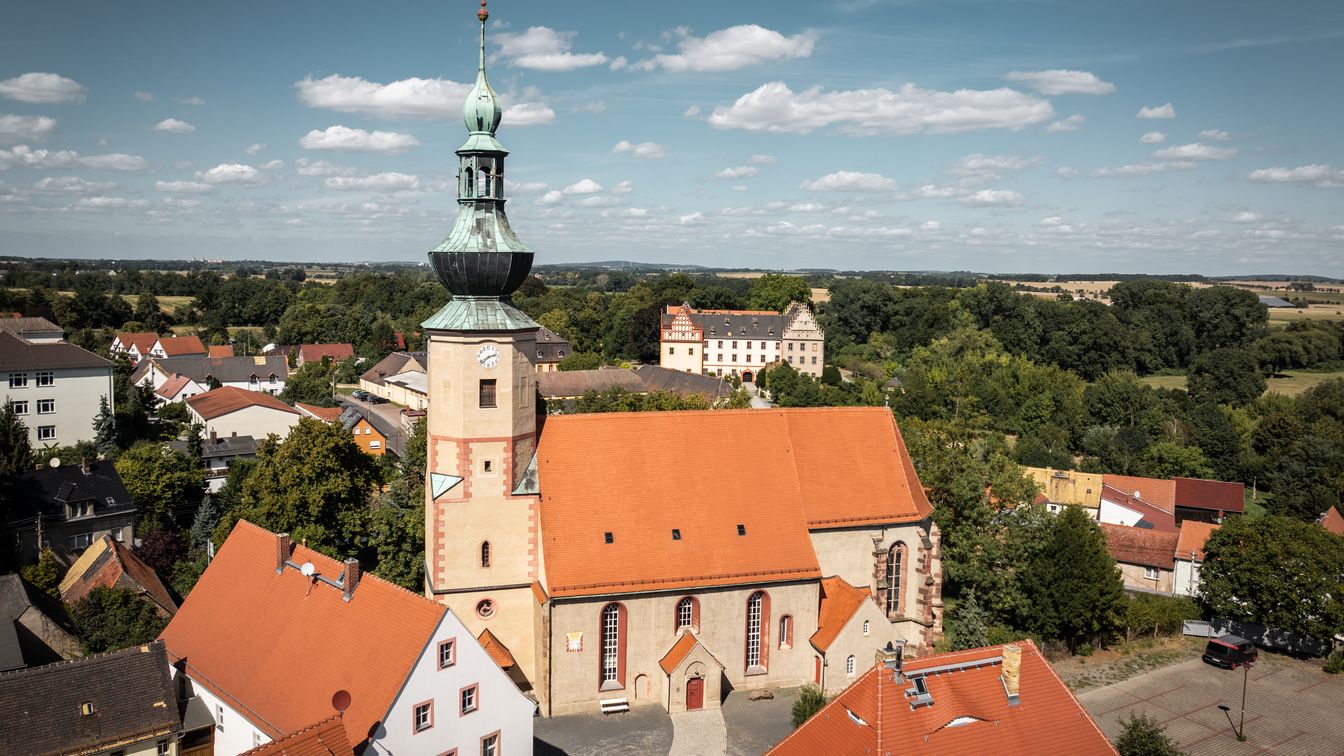
Der Kirchturm leuchtet vor blauem Himmel.
© Oliver Göhler

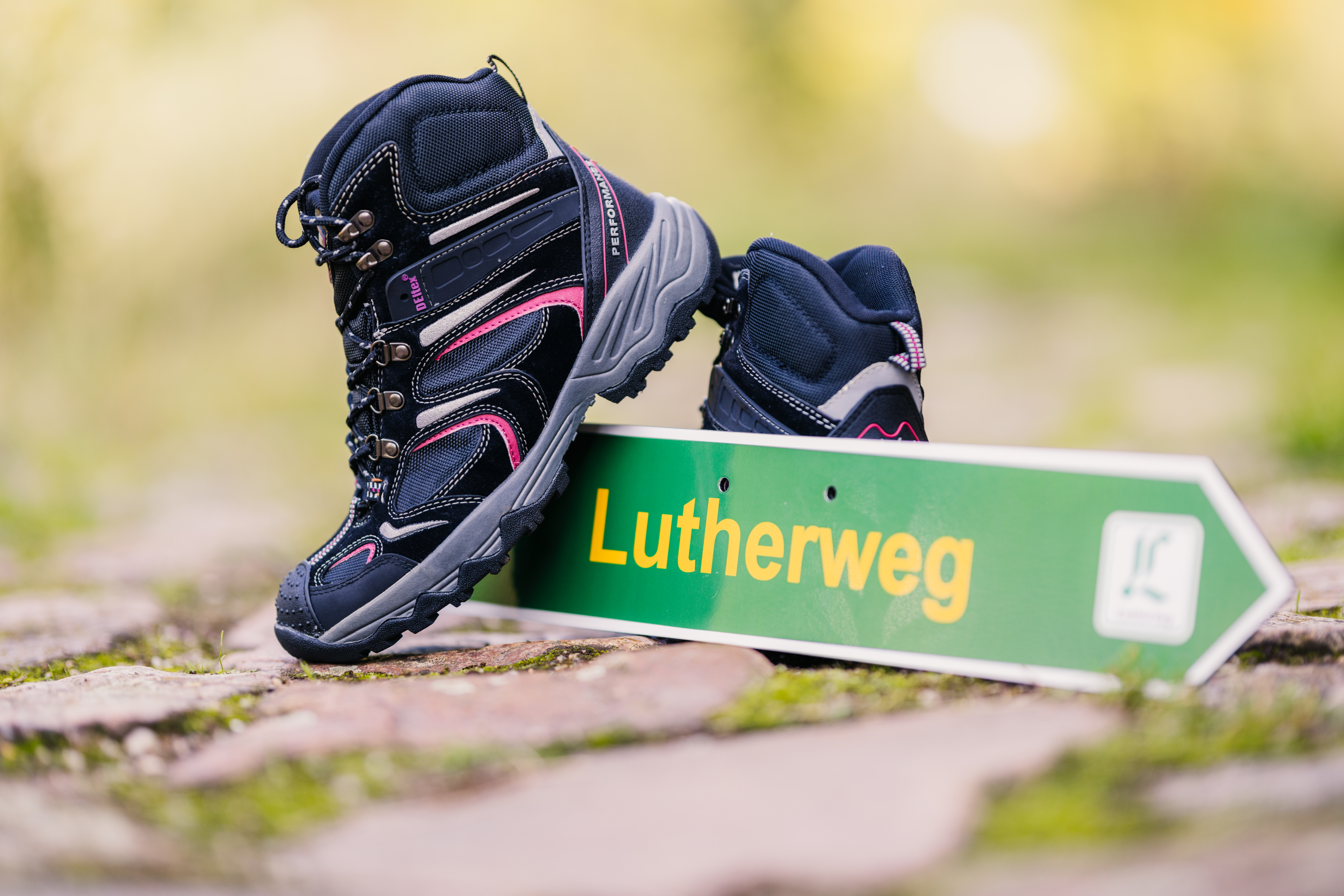
The Luther Trail in Saxony leads not only through impressive landscapes but also past important churches, monasteries, and historic sites of the Reformation. Along the way, you can see how the Reformation shaped the construction and design of Protestant churches.

Highlights include the Pleißenburg in Leipzig, where the Leipzig Debate took place in 1519, the Leisnig Chest Order from 1523, Wechselburg Monastery, and Torgau, the “nursemaid of the Reformation,” with the castle chapel of Hartenfels Castle consecrated by Luther. These historic sites bring the history of the Reformation to life and show how Luther’s influence continues to shape Saxony’s culture and architecture today.

© www.contextagentur.de, Marcel Hofmann

Explorer Tips

  • Late Gothic winged altar tells of the faith of the Reformation era in St. Mary's Cathedral

  • Luther Church and Luther House in Glauchau with exhibitions on Reformation history

  • In Torgau you will find the only memorial to Katharina von Bora in Germany

  • Katharina von Bora lived for 14 years in the Cistercian Convent of Nimbschen

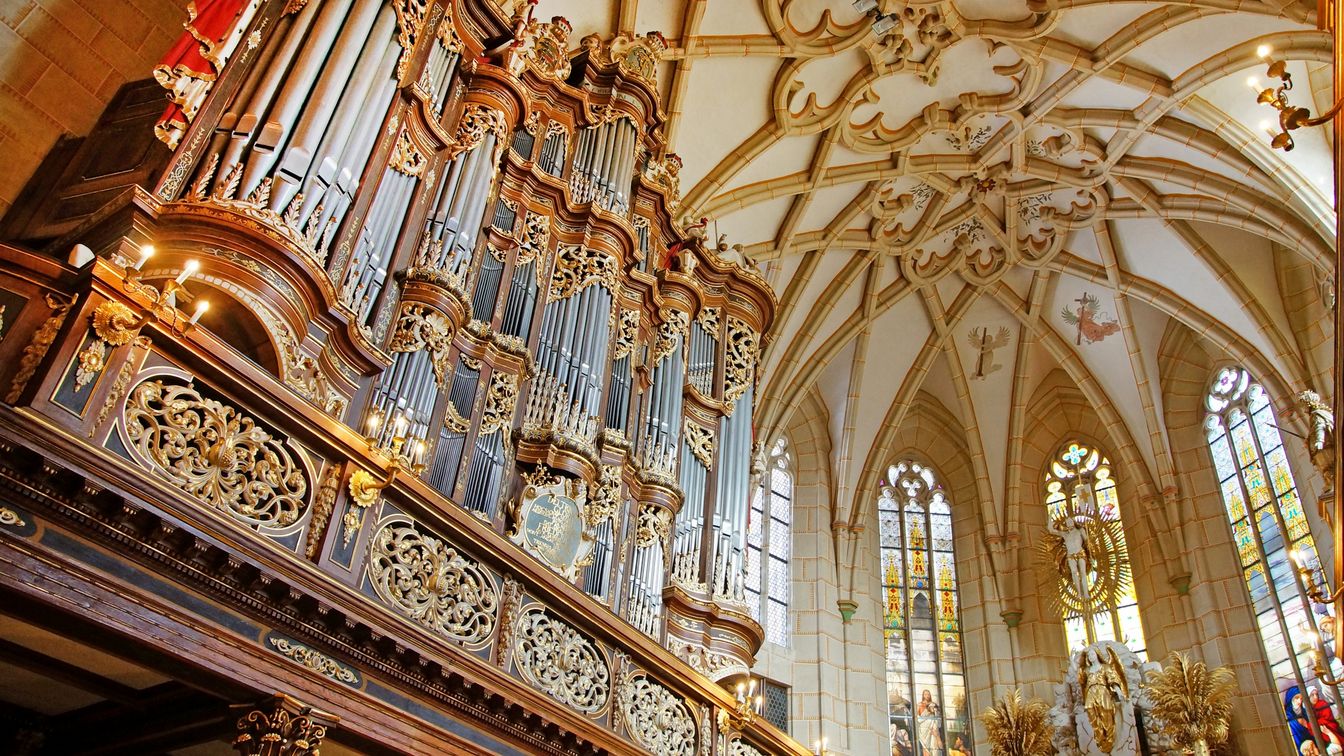
  • Picturesque biblical image ceiling in the Löbnitz Church

Churches

Gäste besuchen die Radwegekirche in Wechselburg.

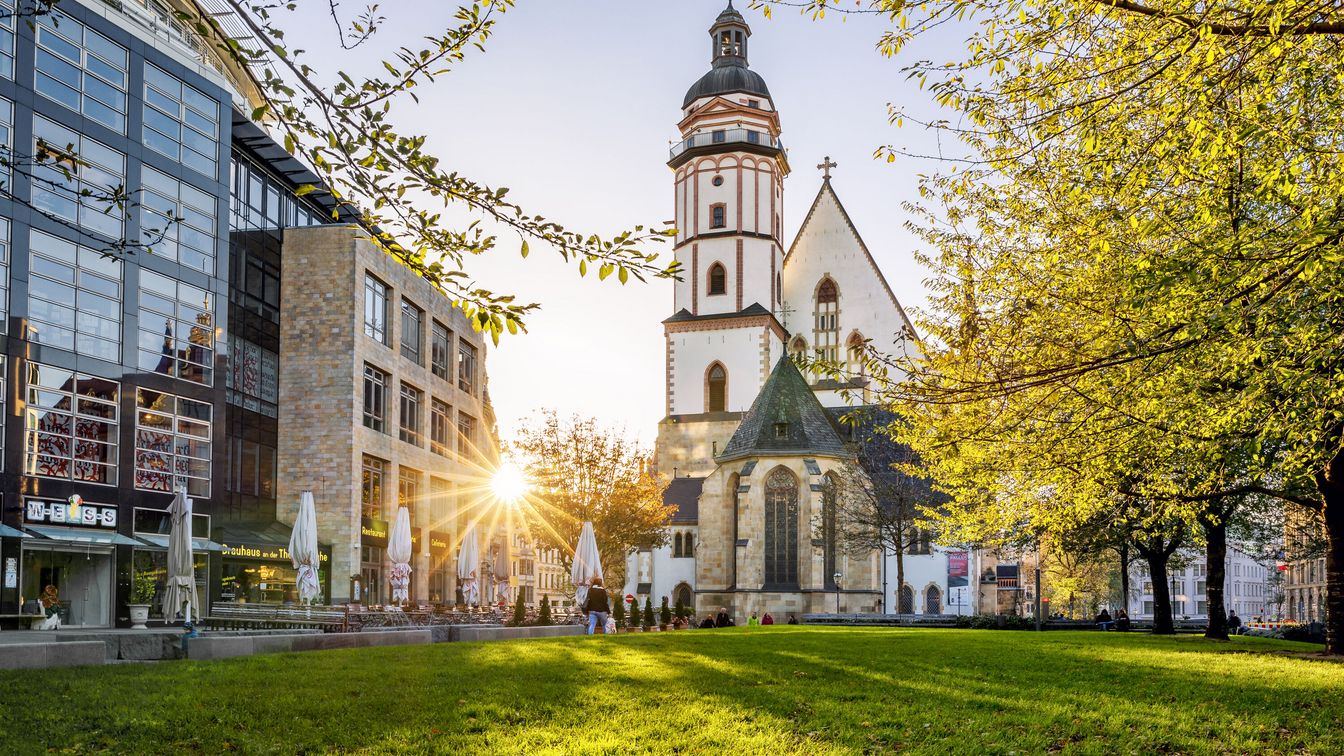
In the region around Chemnitz, Zwickau, and Leipzig, numerous churches invite you to pause and marvel. Many of these houses of worship are both testimonies to the Reformation and living places of faith, closely connected to the work of Luther and his companions.

Particularly impressive is the castle chapel at Hartenfels Castle in Torgau, which was consecrated by Luther in 1544 as the first Protestant church building. In the City Church of St. Mary in Torgau, the tombstone of Katharina von Bora still commemorates the history of the Reformation. The Cathedral of St. Mary in Zwickau is also among the most significant sites.

Numerous churches open their doors for guided tours, pilgrimage devotions, concerts, and offer an impressive way to experience the Reformation history of Saxony.

Churches in the Region

www.pkfotografie.com, Philipp Kirschner | CC-BY

Group Trip to Grimma and Torgau

"In the Footsteps of the Reformation"

www.pkfotografie.com, Philipp Kirschner | CC-BY

Open Churches & Cycle Route Churches

Die Radwegekirche in Wechselburg strahlt vor blauem Himmel.

Open Churches and Cycling Route Churches along the Luther Trail in Saxony offer pilgrims and cycling travellers opportunities for rest, devotion, and reflection. At more and more churches, the seal for “reliably open churches” can be found. It indicates that the church is open at least five days a week for four hours each day, providing a reliable point of contact for visitors. 

Cycling Route Churches are located directly on well-developed cycling paths and invite travellers to take breaks during their tours through the Saxon countryside. In addition to offering opportunities for devotion and rest, they provide information about Reformation history as well as the life and work of Martin Luther. Whether as a day trip or a multi-day cycling tour, pilgrims on two wheels experience a successful combination of exercise, culture, and spiritual enrichment in Saxony. 

Cycle Route Churches

  • St. Martin’s Church Nerchau in Grimma

  • Hohnstädt Church in Grimma

  • St. Andrew’s Church Gesau in Glauchau

  • Crossen Church “Maria zur Weiden” in Zwickau

The true church consists in God’s election and calling.
Martin Luther
www.tomwilliger.de, Tom Williger | CC-BY

Monasteries

The monasteries in Saxony represent a centuries-old religious tradition and are places of calm, reflection, and cultural history. Along the The Luther Trail in Saxony, you can discover numerous former and still existing monastic complexes that not only impress with their architecture but also offer insights into the spiritual life of past centuries.

Many of these now inactive monasteries played an important role during the Reformation and found themselves caught between church order and the new teachings of Martin Luther. Particularly well known is the Cistercian Monastery of Nimbschen, where Katharina von Bora lived for several years before fleeing to Wittenberg in 1523.

Today, these historic sites invite many visitors to explore old chapels, quiet courtyards, or spacious monastery gardens, such as the one in Wechselburg, and to experience their atmosphere.

Monasteries in the region

FAQs

All churches & monasteries at a glance